Glendale
623-533-4895Why Do Dentists Recommend a Crown After a Root Canal?

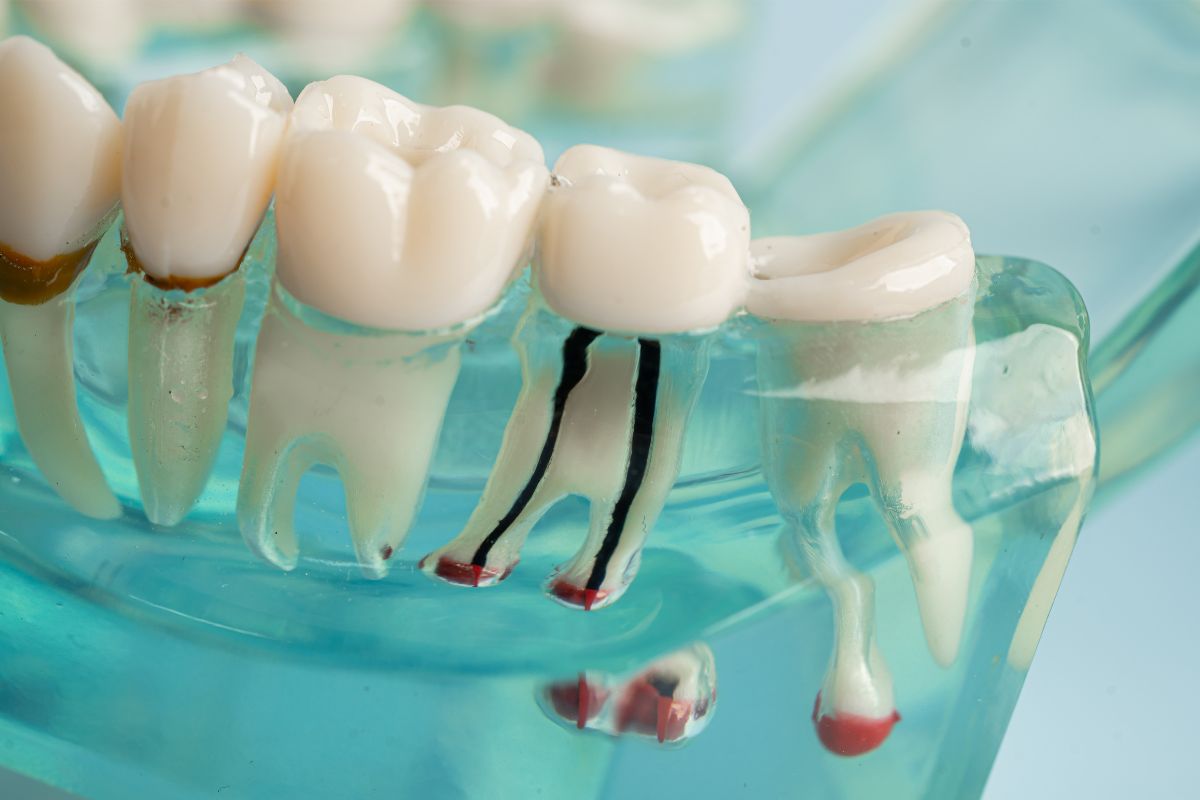
A root canal can save a tooth that might otherwise need to be removed. By removing infected or damaged tissue from inside the tooth, cleaning the root canals, and sealing the space, root canal treatment can help relieve pain and preserve your natural tooth.
But there is often another step to consider after treatment: a dental crown.
If you’ve just been told that you need a crown after a root canal, you may be wondering why. If the infection has already been treated, isn’t the tooth fixed?
Not quite.
A root canal addresses the problem inside the tooth, while a crown can help protect the remaining tooth structure from everyday chewing forces. Here’s why dentists frequently recommend crowns after root canal treatment and what you can expect.
What Happens to a Tooth During a Root Canal?
Before understanding the role of a crown, it helps to know what happens during root canal treatment.
Inside every tooth is a soft area called the pulp, which contains nerves and blood vessels. When the pulp becomes infected or severely inflamed because of deep decay, cracks, trauma, or other damage, a root canal may be recommended.
During treatment, the dentist removes the affected pulp, cleans and disinfects the inside of the tooth, and fills and seals the root canals.
The goal is to eliminate infection and preserve the natural tooth.
However, the tooth may already have lost a significant amount of its structure by the time a root canal is necessary. Deep decay, previous fillings, cracks, and the access needed to perform the root canal can all contribute to reduced tooth structure.
That’s where a crown may come in.
Why Is a Crown Recommended After a Root Canal?
A dental crown is a custom-made restoration that fits over a prepared tooth. It can restore the tooth’s shape and provide protection while allowing you to continue using the tooth normally.
For many back teeth, which handle substantial chewing forces, a crown is commonly recommended after root canal treatment.
A Crown Helps Protect the Remaining Tooth
A root canal-treated tooth may have less natural tooth structure remaining than a healthy tooth. If too much structure has been lost, the tooth may be more vulnerable to fracture.
A crown surrounds and protects the remaining tooth structure. Think of it as a protective covering designed to help the restored tooth handle normal biting and chewing.
The crown doesn’t make the tooth indestructible, but it can provide important structural support.
A Crown Restores the Tooth’s Function
After a root canal, the tooth still needs to do its job.
You use your teeth every day to bite, chew, and speak. A properly fitted crown can restore the tooth’s shape and help it function as part of your natural bite.
Without an appropriate final restoration, a tooth that has undergone extensive treatment may not have the protection it needs for normal chewing.
Your dentist will consider the location of the tooth, how much tooth structure remains, your bite, and other factors when deciding what restoration is appropriate.
Why Are Back Teeth Often More Likely to Need Crowns?
Not every root canal-treated tooth has exactly the same needs.
Molars and premolars absorb significant chewing pressure. These teeth are also commonly affected by large cavities or restorations before root canal treatment becomes necessary.
Because of the forces placed on these teeth, dentists frequently recommend protecting root canal-treated back teeth with crowns.
Front teeth can be different. Depending on how much tooth structure remains and the specific circumstances, a dentist may recommend a different type of restoration rather than a traditional crown.
That’s why your dentist should evaluate the individual tooth instead of assuming every root canal requires exactly the same follow-up treatment.
Does a Root Canal Make a Tooth Brittle?
You may have heard that a tooth becomes “brittle” after a root canal.
The situation is a little more complicated than that.
The primary concern is often the loss of tooth structure caused by decay, cracks, previous restorations, and the treatment itself. A tooth that has lost substantial structure may be less able to withstand normal forces.
This is one reason dentists focus on restoring and protecting the tooth after root canal therapy.
A crown can help protect the remaining structure, particularly when a significant amount of the tooth has been lost.
What Happens If You Don’t Get a Recommended Crown?
If your dentist recommends a crown and you postpone or skip the final restoration, the tooth may remain vulnerable to damage.
A weakened tooth can crack or fracture under normal biting forces. If the fracture is severe, the tooth may become difficult or impossible to restore.
That doesn’t mean every tooth will automatically fail without a crown. The appropriate restoration depends on the tooth and how much healthy structure remains.
However, if your dentist has recommended a crown because the tooth needs additional protection, delaying treatment can increase the risk of problems.
If cost, timing, or another concern is making you hesitate, talk with your dental team. They may be able to explain the urgency, discuss alternatives when appropriate, and help you plan the next step.
How Soon Should You Get a Crown After a Root Canal?
Your dentist will give you specific instructions based on your tooth and treatment.
In many cases, the final restoration should be placed promptly after root canal treatment. A temporary filling or restoration may protect the tooth for a short period, but it isn’t intended to provide the same long-term protection as the final restoration.
Until your dentist tells you otherwise, be cautious about chewing hard foods on the treated tooth, especially if it has not yet received its permanent restoration.
If you’ve completed a root canal but haven’t scheduled your crown appointment, it’s worth contacting your dental office to discuss the next step.
What Is the Process for Getting a Crown?
Getting a dental crown generally involves several steps.
First, your dentist examines the tooth and determines whether it is ready for the final restoration. The tooth is then prepared so the crown can fit properly.
Your dentist or dental team takes an impression or digital scan of the tooth. This information is used to create a crown designed to fit your tooth and bite.
Depending on the circumstances, you may receive a temporary crown while the permanent restoration is being made.
At the next appointment, the dentist checks the permanent crown’s fit, shape, appearance, and bite before securing it in place.
The goal is a restoration that looks natural and allows the tooth to function comfortably.
Visit Stetson Village Family Dentistry in Peoria or Glendale
If you’ve had a root canal and are wondering whether you need a dental crown, an evaluation can help you understand what your tooth needs next.
Visit our dental office located in Peoria, AZ and Glendale, AZ.
Stetson Village Family Dentistry has two convenient locations:
- Peoria: 6847 W Happy Valley Rd #2, Peoria, AZ 85383
- Glendale: 3870 W Happy Valley Rd, Glendale, AZ 85310
Our dental team can evaluate your tooth, discuss restorative options, and explain why a particular treatment may be recommended for your situation.
Can a Crown Last for Many Years?
Dental crowns aren’t permanent, but they can provide long-term service when properly cared for.
How long a crown lasts can depend on several factors, including the material used, your bite, oral hygiene, diet, and habits such as teeth grinding or chewing on hard objects.
Treat a crowned tooth like the rest of your smile. Brush twice daily, clean between your teeth, attend regular dental checkups, and follow your dentist’s recommendations.
If you grind or clench your teeth, let your dentist know. A custom nightguard may sometimes be recommended to help protect your teeth and restorations.
Does Every Root Canal Need a Crown?
No. Not every root canal-treated tooth automatically requires a traditional dental crown.
The appropriate restoration depends on the tooth’s location, the amount of remaining healthy tooth structure, the extent of the original damage, your bite, and other clinical factors.
For example, a front tooth with substantial remaining structure may sometimes be restored with a different approach. A back tooth that has lost significant structure may benefit from the additional protection provided by a crown.
Your dentist can explain the reasoning behind the recommended restoration after examining your specific tooth.
Protect Your Investment in Your Natural Tooth
A root canal is designed to help save your natural tooth, but treatment doesn’t necessarily end when the root canals are cleaned and sealed.
For teeth that have lost significant structure, a crown can provide an important layer of protection, restore the tooth’s shape, and help it handle everyday chewing.
If your dentist has recommended a crown after a root canal, ask questions. Find out how much tooth structure remains, why a particular restoration is recommended, how soon it should be completed, and what you can do to protect the tooth in the meantime.
With the right restoration and consistent oral care, a root canal-treated tooth can remain a useful part of your smile for years to come.
If you need a dental crown after root canal treatment in the Peoria or Glendale area, contact Stetson Village Family Dentistry to schedule an appointment and discuss the best way to protect your treated tooth.
Frequently Asked Questions
1. Why do dentists recommend a crown after a root canal?
A crown can help protect a root canal-treated tooth that has lost significant structure. It can restore the tooth’s shape and help it withstand everyday chewing forces.
2. Does every tooth need a crown after a root canal?
No. The need for a crown depends on factors such as the tooth’s location, remaining tooth structure, the extent of damage, and your bite. Back teeth often require additional protection.
3. How soon should you get a crown after a root canal?
Your dentist will recommend the appropriate timing based on your tooth’s condition. In many cases, the final restoration should be placed promptly to protect the treated tooth.
4. What happens if you don’t get a recommended crown after a root canal?
A tooth that needs additional protection may be more vulnerable to cracking or fracturing. If your dentist recommends a crown, discuss the timing and any concerns before delaying treatment.
5. How long can a dental crown last after a root canal?
A crown can provide long-term protection, although its lifespan varies depending on factors such as oral hygiene, bite forces, the crown material, and habits such as teeth grinding.